
-
WordPress Password Leak Protection in CleanTalk Plugin
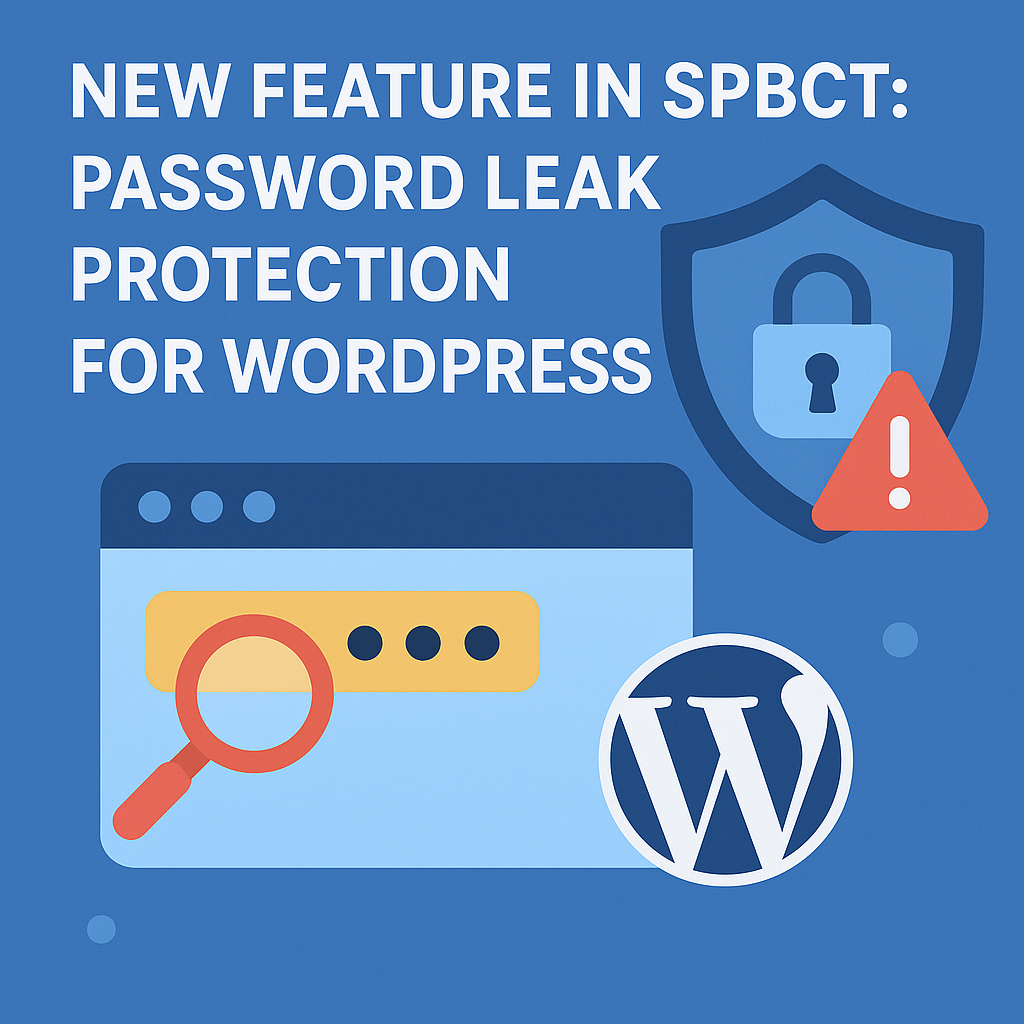
Leaked passwords are one of the fastest-growing threats to WordPress. WordPress password leak protection helps block attackers who reuse stolen credentials from massive breaches.Security by CleanTalk now gives you a way to stop them before they log in. What’s New: WordPress Password Leak Protection Password Leak Protection automatically checks user credentials against public breach databases.
FEEDBACK LOG
The Latest
-
How to protect your CS-Cart website from spam using Universal Anti-Spam Plugin by CleanTalk
Part 1: Installing the Universal Anti-Spam Plugin Universal Anti-Spam plugin can be installed on any custom websites, CMS and Frameworks. If you don’t have programming experience to add our API on a website it will be a better way to protect your website from spam with CleanTalk. Invisible to the visitors, spam protection has a…

-
Updates for spam_check() API method
Keeping you updated with the latest changes about API of the spam_check method. The 3 following parameters were removed from the API of the spam_check() method due to lack of demand: frequency_time_10m – 10 minutes activityfrequency_time_1h – 1 hour activityfrequency_time_24h – 24 hours activity Instead of these 3 parameters, we added the “spam_frequency_24h” parameter, which…
-
How to Disable all WordPress Comments
If you get spam through your comments forms you can always use our Anti-Spam plugin for complete spam protection. But if you decided to disable all WordPress Comments on your website we also have a simple decision for you. Follow our guide to disable all the Comments fields you don’t need in less than 5…

-
How to completely protect your WP User Frontend Forms from spam
While using WP User Frontend Contact Forms, always be sure to use the most effective Anti-Spam plugin. Read the guide below and learn how to completely protect your WP User Frontend Contact Forms from spam. Once CleanTalk Anti-Spam plugin is installed it starts to protect all of the existing forms on your WordPress website. It…