-
Self-Hosted Anti-Spam in 2026: Why Proof-of-Work CAPTCHAs Are Not Enough and What On-Prem Protection Needs
TL;DR. Self-hosted protection is having its moment: Cap has 8,013 GitHub stars after 21 months, ALTCHA’s npm packages are downloaded 1.49 million times a month, Anubis collected 23,427 stars in a year and a half. Every one of these tools runs on your server and keeps your users’ data at home. Every one of them…
FEEDBACK LOG



The Latest
-
Klaviyo Web Forms Spam Protection in 2026
If you use Klaviyo web forms for email marketing, popups, or lead generation, you will eventually face spam: fake sign-ups, bot submissions, disposable emails, and low-quality leads. This guide explains how to set up Klaviyo web forms spam protection using CleanTalk as the core filtering layer on your website, together with additional tools like Google…

-
HappyForms Spam Protection in 2026. How to Stop Fake Messages, Bot Submissions, and Junk Entries
If you use HappyForms on a WordPress website, spam will eventually become a real problem. Fake messages, bot submissions, promotional junk, and low-quality entries can quickly start filling your inbox and wasting time. This guide explains how to set up HappyForms spam protection using CleanTalk as the main filtering layer on your website, together with…
-
Flamingo Spam Protection in 2026. How to Protect Contact Form 7 Messages and Stored Submissions
If you use Flamingo to store contact form submissions in WordPress, spam will eventually become a real issue. Fake messages, bot submissions, promotional junk, and low-quality inquiries can quickly pile up in your database and make it harder to work with genuine submissions. This guide explains how to set up Flamingo spam protection using CleanTalk…

-
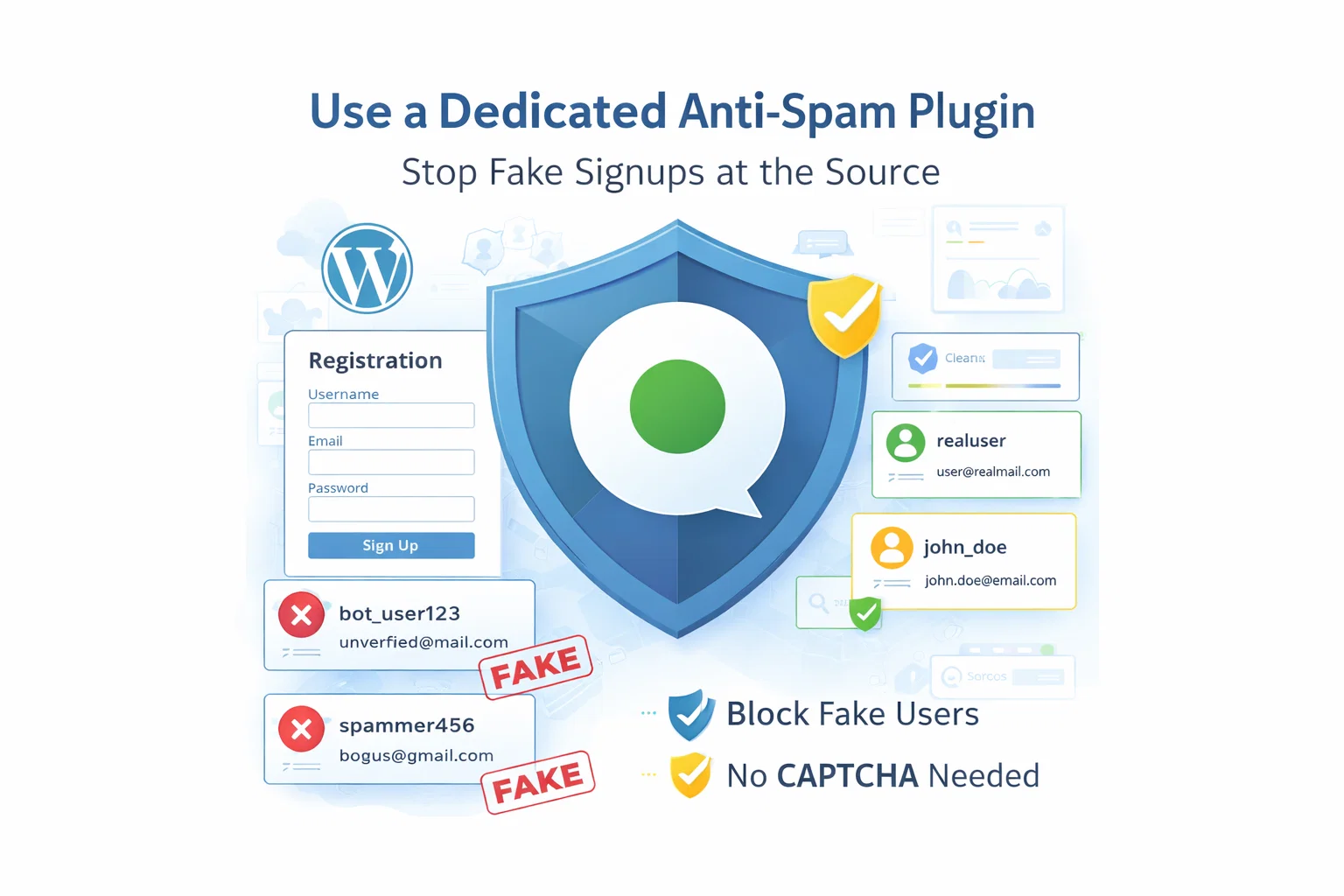
7 Ways to Prevent Fake Registrations on WordPress (with CleanTalk)
Fake registrations are more than a minor admin inconvenience. They fill your database with junk accounts, waste moderation time, reduce signup quality, and make it harder to understand what real user activity looks like. For WordPres sites, this problem is especially common. Registration forms are public by design, which makes them an easy target for…