
-
Self-Hosted Anti-Spam in 2026: Why Proof-of-Work CAPTCHAs Are Not Enough and What On-Prem Protection Needs
TL;DR. Self-hosted protection is having its moment: Cap has 8,013 GitHub stars after 21 months, ALTCHA’s npm packages are downloaded 1.49 million times a month, Anubis collected 23,427 stars in a year and a half. Every one of these tools runs on your server and keeps your users’ data at home. Every one of them…
FEEDBACK LOG



The Latest
-
How to prevent getting spam via 10web Form (2026)
TL;DR: To stop spam in Form Maker by 10Web, combine its built-in protection with a cloud anti-spam filter. CleanTalk Anti-Spam checks every Form Maker by 10Web submission in the background and blocks spam bots invisibly – no CAPTCHA, no puzzles, no checkboxes – while protecting registrations, comments and WooCommerce on the same site. reCAPTCHA, hCaptcha…

-
Responsive Contact Form Builder – Spam Protection for WordPress (2026)
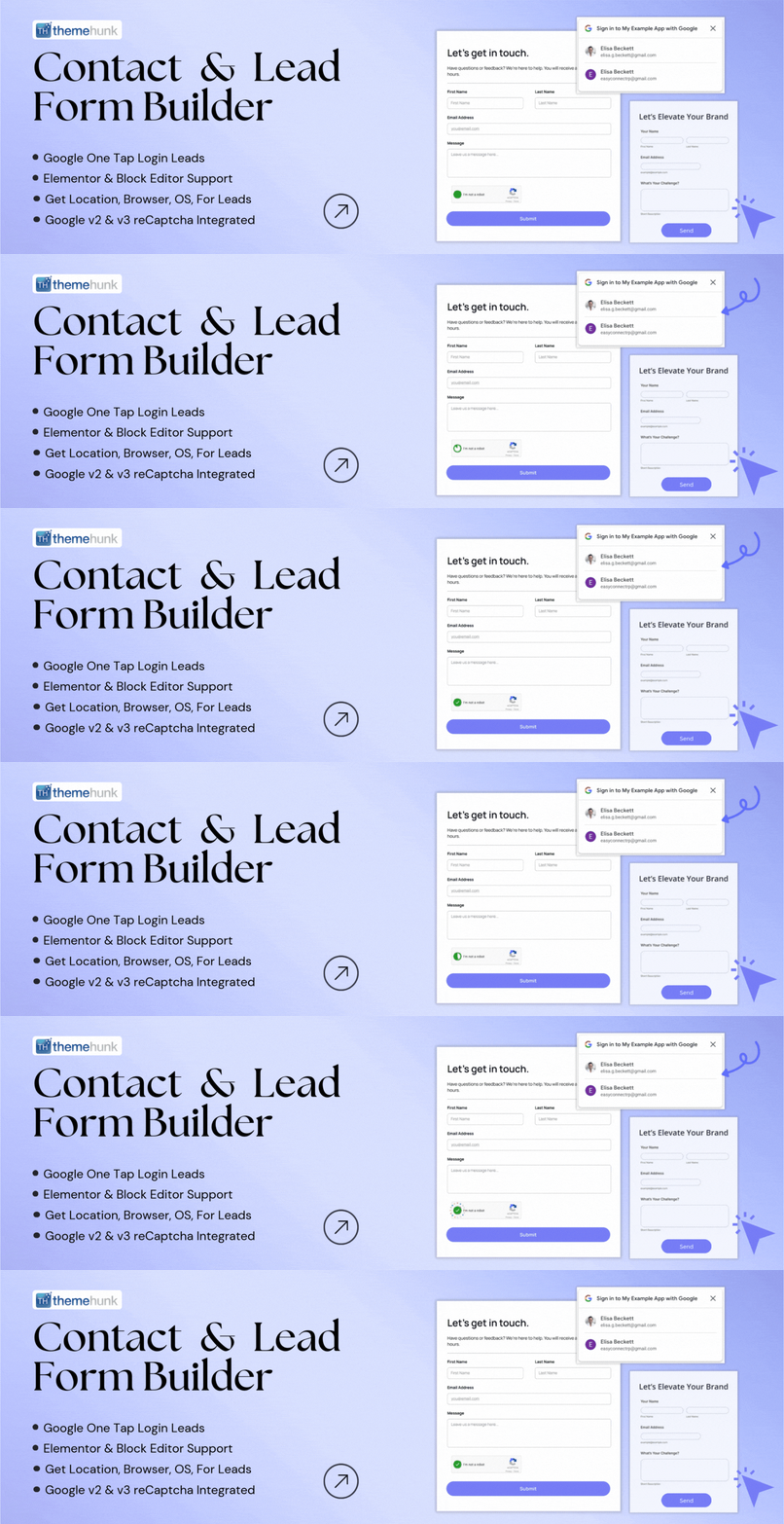
TL;DR: To stop spam in Responsive Contact Form Builder, combine its built-in protection with a cloud anti-spam filter. CleanTalk Anti-Spam checks every Responsive Contact Form Builder submission in the background and blocks spam bots invisibly – no CAPTCHA, no puzzles, no checkboxes – while protecting registrations, comments and WooCommerce on the same site. reCAPTCHA, hCaptcha…
-
CleanTalk prevents receiving spam through your SmartForms forms (2026)
TL;DR: To stop spam in Smart Forms, combine its built-in protection with a cloud anti-spam filter. CleanTalk Anti-Spam checks every Smart Forms submission in the background and blocks spam bots invisibly – no CAPTCHA, no puzzles, no checkboxes – while protecting registrations, comments and WooCommerce on the same site. reCAPTCHA, hCaptcha and Turnstile add a…

-
Product Enquiry for WooCommerce Spam Orders – Fixing the Issue in 5 Minutes (2026)
TL;DR: To stop spam in Product Enquiry for WooCommerce, combine [its built-in protection] with a cloud anti-spam filter. CleanTalk Anti-Spam checks every Product Enquiry for WooCommerce submission in the background and blocks spam bots invisibly – no CAPTCHA, no puzzles, no checkboxes – while protecting registrations, comments and WooCommerce on the same site. reCAPTCHA, hCaptcha…