-
Quform Spam Protection in 2026: How to Stop Fake Messages, Bot Submissions, and Junk Entries

If you use Quform on a WordPress website, spam will eventually become a real problem. Fake messages, bot submissions, junk inquiries, and low-quality entries can quickly fill your inbox and make genuine submissions harder to manage. This guide explains how to set up Quform spam protection using CleanTalk as the main filtering layer on your
FEEDBACK LOG


The Latest
-
Avada Form Builder – Spam protection guide in 2026
Avada Form Builder is a great choice when you need to create contact forms, surveys, quizzes, and more. In this post, we will review available anti-spam services such as Google reCAPTCHA and Cloudflare Turnstile, tools like honeypots, and anti-spam plugins including CleanTalk, Akismet, hCaptcha, and OOPSpam available to Avada users as of March 2026. Avada…
-
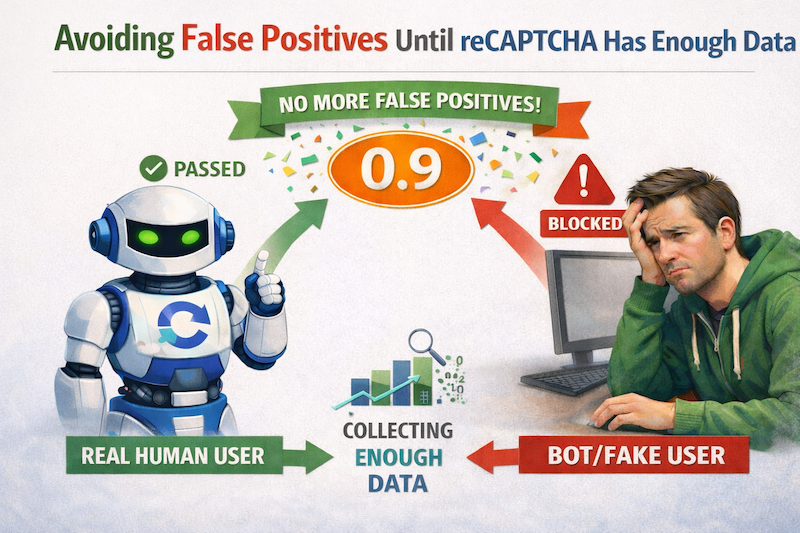
reCAPTCHA v3 always returns 0.9 score. Avoid false positives
Many reCAPTCHA v3 users complain about always receiving a score of 0.9 despite multiple attempts and changes in their Google Cloud integration. In this article, we reproduce this issue and explain why reCAPTCHA always returns a score of 0.9. Research Objective Users complain that when testing reCAPTCHA v3, they always receive the same score of…
-
Why do contact form 7 users prefer Anti-spam by CleanTalk against reCAPTCHA?
As a WordPress user let me share my experience of using CAPTCHA less and CAPTCHA style Anti-Spam tools on the example of Contact form 7. Is reCAPTCHA good or bad for Contact form 7? Contact Form 7 users may prefer Anti-Spam plugin by CleanTalk over reCAPTCHA for several reasons, as each solution has its own…
-
Top reCAPTCHA Alternatives for WordPress in 2025
reCAPTCHA was a brilliant idea — for its time.It kept bots busy clicking bicycles and crosswalks while real visitors went about their day. But as automation evolved, the balance shifted.Bots got faster. Humans got irritated.And WordPress admins got a new hobby: deleting fake leads and “test messages.” So if you’re tired of proving you’re not…