-
WordPress Password Leak Protection in CleanTalk Plugin
Leaked passwords are one of the fastest-growing threats to WordPress. WordPress password leak protection helps block attackers who reuse stolen credentials from massive breaches.Security by CleanTalk now gives you a way to stop them before they log in. What’s New: WordPress Password Leak Protection Password Leak Protection automatically checks user credentials against public breach databases.
FEEDBACK LOG
The Latest
-
HivePress Spam Protection in 2026
If you use HivePress to power a directory, classifieds, or marketplace website, you will eventually face spam – fake listings, bot registrations, and junk messages. This guide explains how to set up HivePress spam protection using: The integration now protects both: HivePress – Business Directory & Classified Ads Plugin First, let’s take a quick look…

-
Is zekisuquc419@gmail.com Spam Bot? How to Stop It
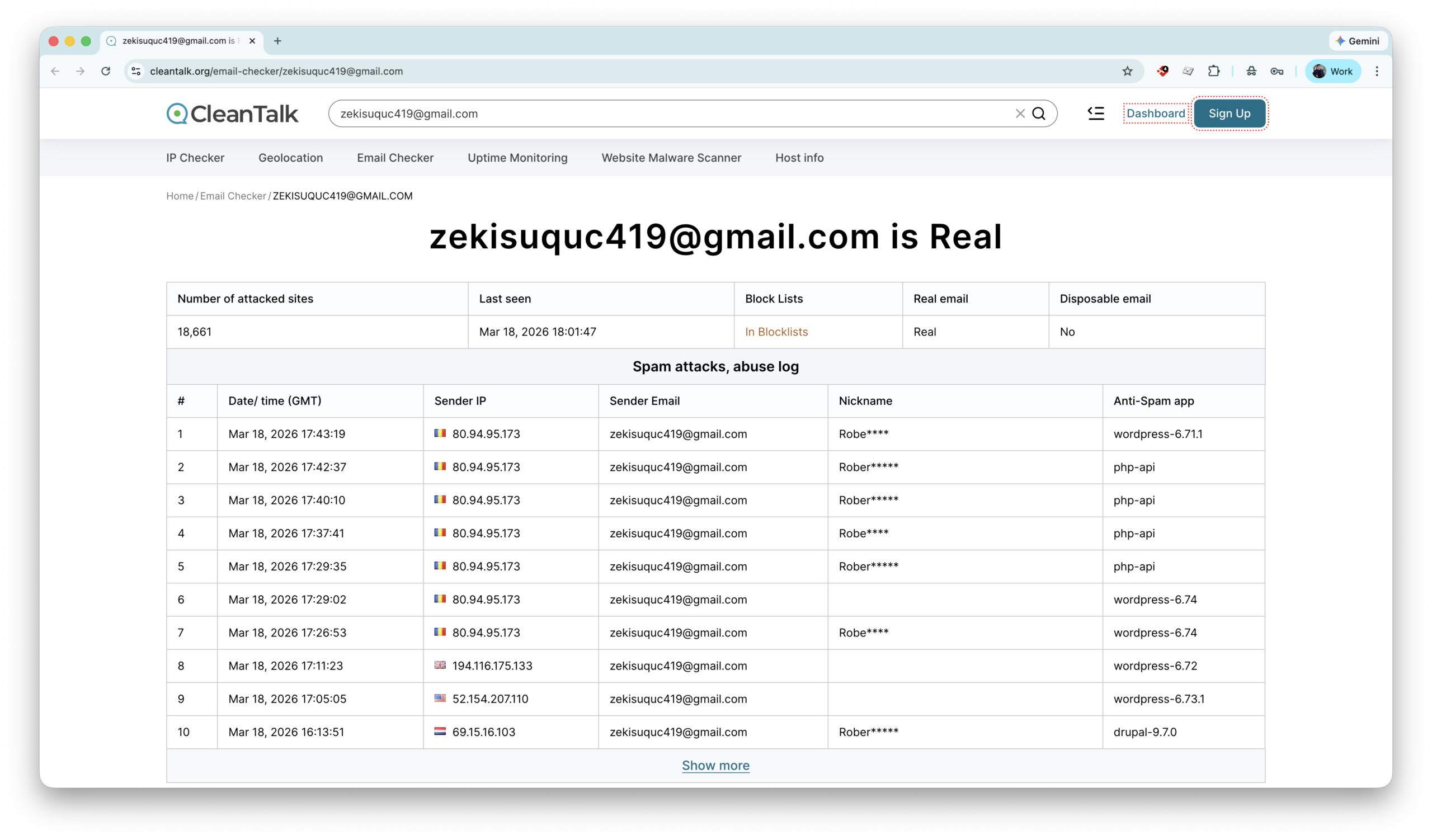
The email address zekisuquc419@gmail.com has been reported for sending spam and launching automated malicious requests on thousands of websites. According to CleanTalk Block Lists, this address has: What Does This Spam Bot Do? This bot attempts to register accounts, submit forms, and post comments on websites using the email zekisuquc419@gmail.com. The activity is fully automated…
-
Performance Update: Slow load times on some sites, fix in progress
We’re aware that some of you are experiencing slow website load times, or Cleantalk warning, This is due to increased server load from our growing number of clients, and we’re actively working to fix it. Our plugin team has already optimized asynchronous JavaScript loading. The updated plugins are available now through support, and will be…
-
Standard WordPress Registration Forms Spam Protection Guide in 2026
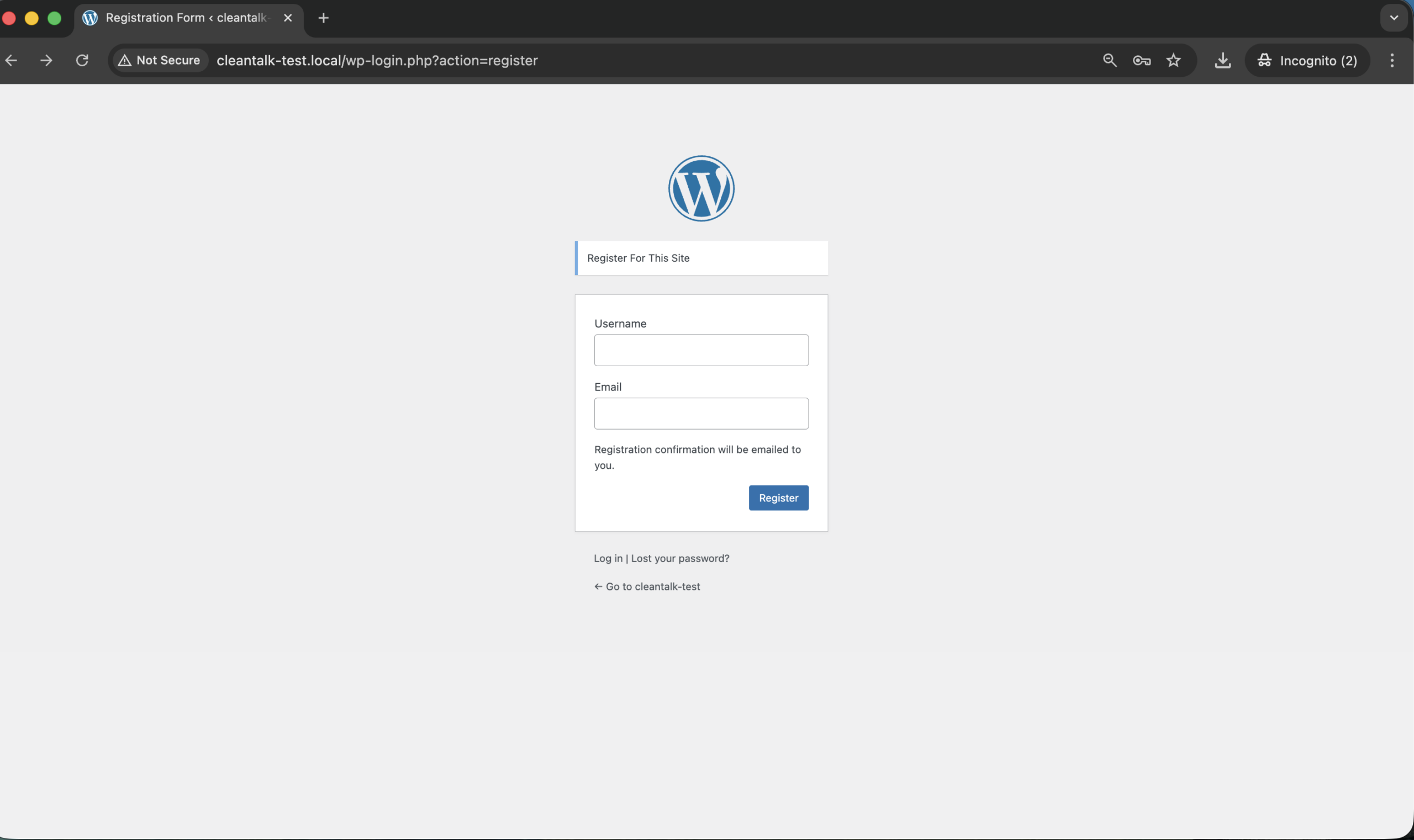
If your website uses the default WordPress signup flow, spam registrations can become a real problem surprisingly quickly. Bots scan the web for open signup pages, submit fake user data, and fill WordPress sites with junk accounts that never behave like real users. For standard WordPress websites, this usually happens through the default registration endpoint.…