
-
Simple Ways to Implement All-around WordPress Security
WordPress powers close to 40% of all websites (W3Techs, November 2026), which makes it the most attacked CMS on the internet. Every new install gets probed within hours: bots try default logins, scan for vulnerable plugins, post spam into comment and registration forms, and look for a way to drop malware. Securing a WordPress site…
FEEDBACK LOG


The Latest
-
New Parameter to Filter Spam
How spammers circulate website spam? They use infected with viruses computers, hacked websites or they buy servers to spread spam. In ordinary situations, websites do not send any comments (POST requests) to other websites and if that happens it is a certain sign of a hacked website. Each hosting provider has its own IP range…
-
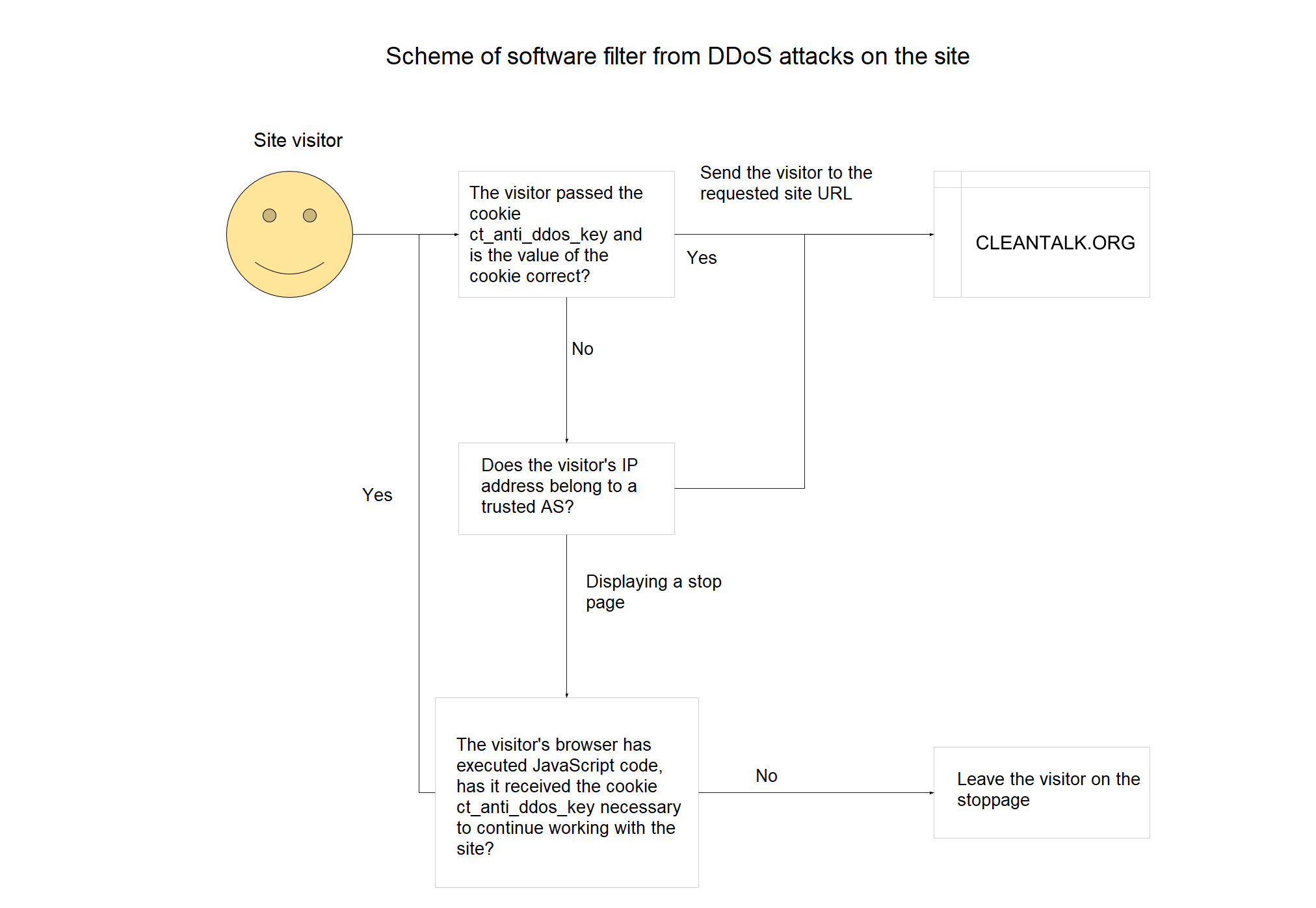
Protection against DDoS attacks at the web applications level
As you know DDoS attacks on the site are of different intensity, it is important to the number of hosts involved in the attack, the number of network packets and the amount of data transmitted. In the most severe cases, it is possible to repel the attack only using specialized equipment and services. If the…
-
Validation of Email Addresses for Protection Against Spam Bots on the Website
E-mail is still one of the most important and effective elements of online business and marketing and is the most effective channel for generating revenue. Therefore, for any online business and website owners, it is important to be sure that the email owner used it for registration/subscription so that the user used his real email…

-
IPv6 Support in CleanTalk Security for WordPress
Recently we wrote that we made IPv6 support in the anti-spam plugin. But not only spammers began to use IPv6, for other types of attacks on sites, attackers also use them. We implemented support for IPv6 in the security plugin for WordPress Updated methods of IP addresses determination, storage and transfer of information to the…