
-
7 Ways to Prevent Fake Registrations on WordPress (with CleanTalk)
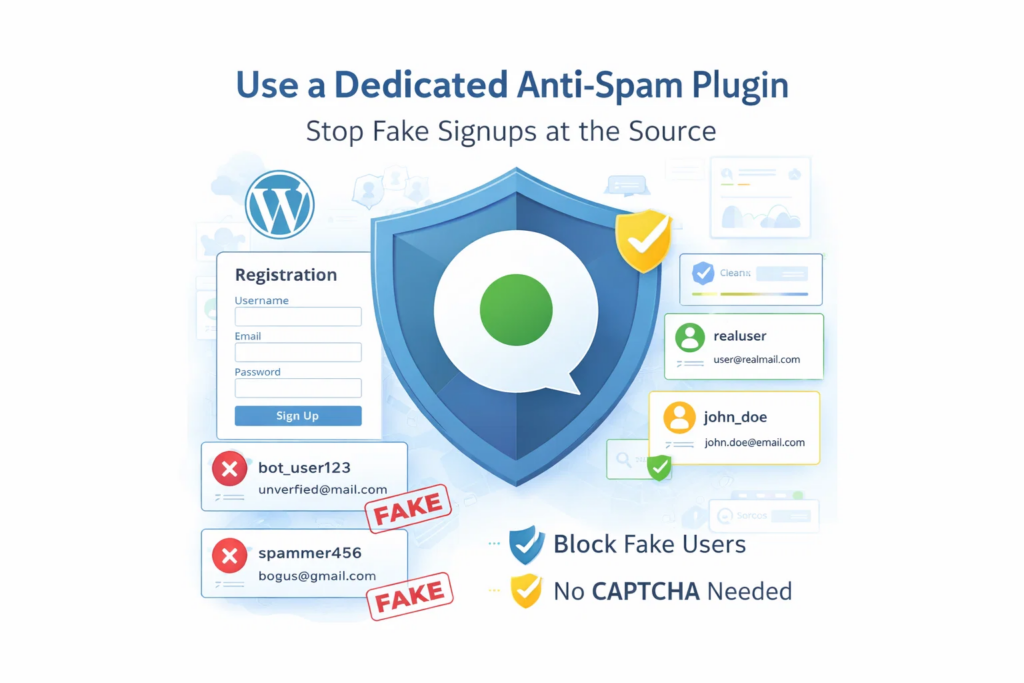
Fake registrations are more than a minor admin inconvenience. They fill your database with junk accounts, waste moderation time, reduce signup quality, and make it harder to understand what real user activity looks like. For WordPress sites, this problem is especially common. Registration forms are public by design, which makes them an easy target for
FEEDBACK LOG


The Latest
-
Non-visual methods to protect the site from spam. Part 1. Statistics
Part 1. What statistic says Non-visual methods to protect the site from spam suggest automatic analysis of data coming from the visitor. As more data is analyzed, the more fully and more accurately visitor can be defined and made a decision is he a spammer or not. Systems that analyze such data usually accumulate visitor…
-
Solve the problem with caching of dynamic JavaScript code on the frontend of WordPress
In the process of developing anti-spam plugin CleanTalk for WordPress we faced with the problem of caching of dynamic JavaScript code on the frontend of sites. Namely, if you place JavaScript that contains any pieces of code that can be dynamically inserted from backend site, in the presence on the site of any plug-in caching…
-
Statistics for the personal blacklist
Dear Customers, CleanTalk informs you that in the dashboard query statistics is available on the personal blacklist. You can track the number, date and time of all attempts to use forms on the website by users from your personal blacklist. To view the statistics, go to the dashboard CleanTalk https://cleantalk.org/my/ select the website and go to Settings->Personal blacklists.…
-
How to save resources and to attract more customers for hosting company.
·
Spam FireWall is an additional option in the anti-spam plugin CleanTalk. The principle of operation SFW differs significantly from the mechanism of anti-spam plugins. CleanTalk anti-spam filters spam bots at the moment when they are trying to post a comment on the website, register, i.e. make a POST request. In some cases, the spam bots sends…