
-
WordPress Password Leak Protection in CleanTalk Plugin
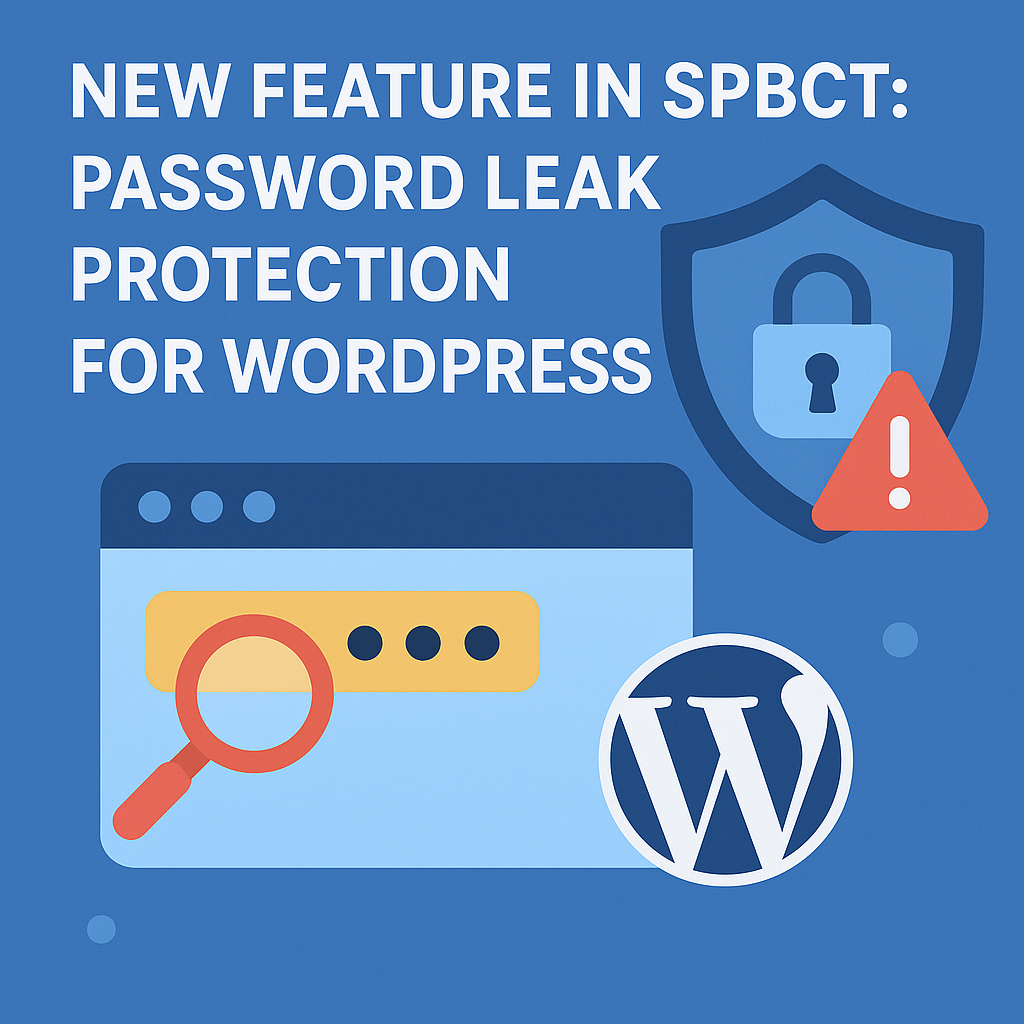
Leaked passwords are one of the fastest-growing threats to WordPress. WordPress password leak protection helps block attackers who reuse stolen credentials from massive breaches.Security by CleanTalk now gives you a way to stop them before they log in. What’s New: WordPress Password Leak Protection Password Leak Protection automatically checks user credentials against public breach databases.
FEEDBACK LOG
The Latest
-
CVE-2023-4035 – Simple Blog Card < 1.31 - Contributor+ Stored XSS via Shortcode
In our recent in-depth security analysis of the widely used Simple Blog Card plugin for WordPress, a concerning vulnerability has come to light. Versions prior to 1.31 have a critical flaw, leaving your website exposed to potential Stored Cross-Site Scripting (XSS) attacks! Main info: CVE CVE-2023-4035 Plugin Simple Blog Card Critical High Publicly Published August…
-
CVE-2023-3720 – Upload Media By URL < 1.0.8 - Stored XSS via CSRF
During a thorough security assessment of the Upload Media By URL plugin for WordPress, a concerning medium-level vulnerability has been uncovered in versions prior to 1.0.8. This vulnerability poses a significant risk to your website’s security and calls for immediate action! If exploited, this vulnerability allows attackers to potentially upload files containing malicious code directly…
-
CleanTalk Security Plugin Tools for WordPress
In this article we have tried to tell you about the main and most useful options of the CleanTalk Security Plugin for WordPress. You can install the plugin from the official WordPress directory here: https://wordpress.org/plugins/security-malware-firewall

-
CVE-2023-3601 – Simple Author Box < 2.52 - Contributor+ Arbitrary User Information Disclosure via IDOR (Thief of Creds)
We have discovered a severe security vulnerability in the Simple Author Box plugin (CVE-2023-3601), which puts your WordPress accounts at high risk of being compromised. This vulnerability allows attackers with Contributor-level access or higher to steal sensitive user information, including hashed passwords. Main info: CVE CVE-2023-3601 Plugin Simple Author Box Critical Very High Publicly Published…