
-
Quform Spam Protection in 2026: How to Stop Fake Messages, Bot Submissions, and Junk Entries

If you use Quform on a WordPress website, spam will eventually become a real problem. Fake messages, bot submissions, junk inquiries, and low-quality entries can quickly fill your inbox and make genuine submissions harder to manage. This guide explains how to set up Quform spam protection using CleanTalk as the main filtering layer on your
FEEDBACK LOG


The Latest
-
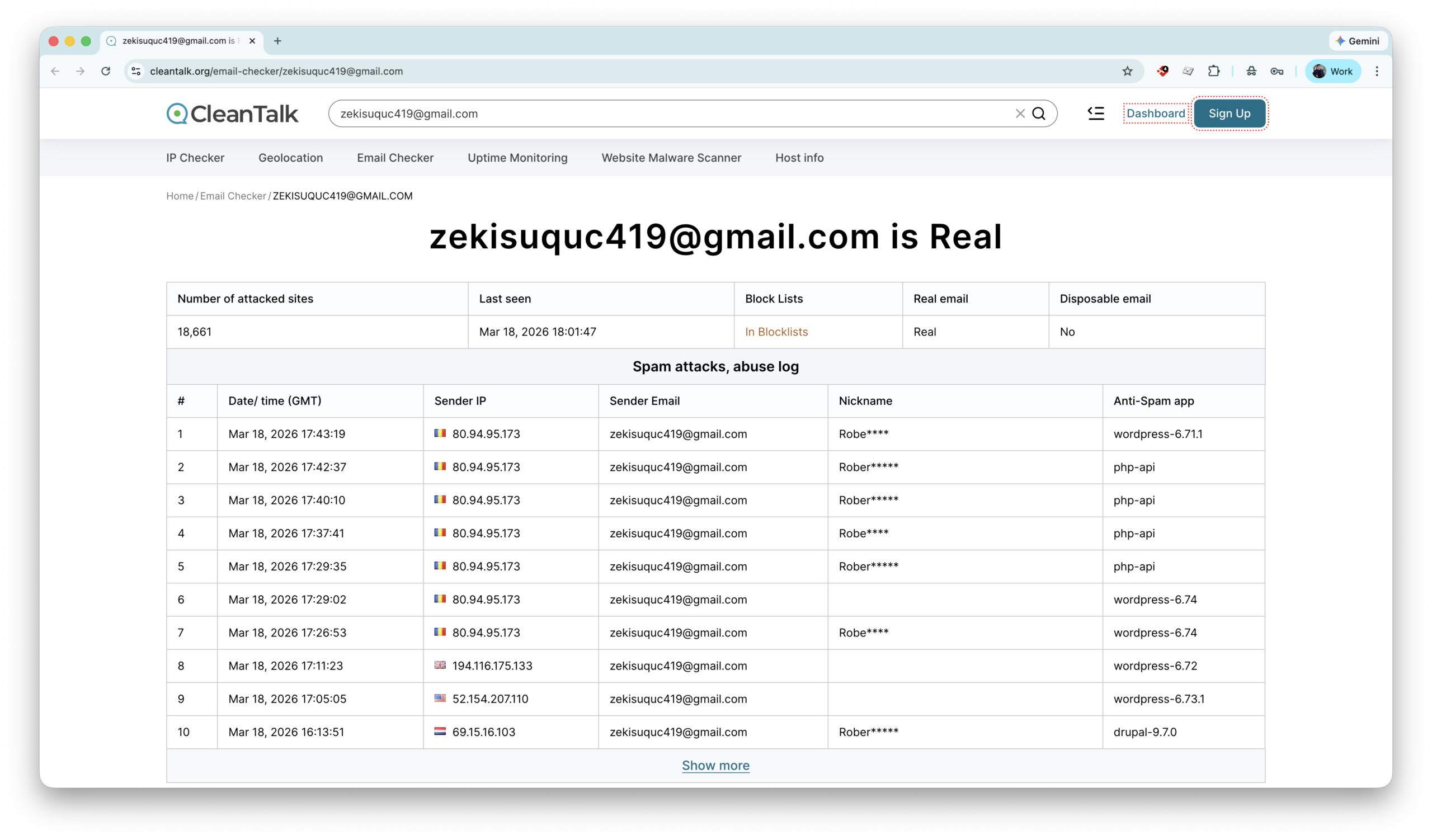
Is zekisuquc419@gmail.com Spam Bot? How to Stop It
The email address zekisuquc419@gmail.com has been reported for sending spam and launching automated malicious requests on thousands of websites. According to CleanTalk Block Lists, this address has: What Does This Spam Bot Do? This bot attempts to register accounts, submit forms, and post comments on websites using the email zekisuquc419@gmail.com. The activity is fully automated…
-
Performance Update: Slow load times on some sites, fix in progress
We’re aware that some of you are experiencing slow website load times, or Cleantalk warning, This is due to increased server load from our growing number of clients, and we’re actively working to fix it. Our plugin team has already optimized asynchronous JavaScript loading. The updated plugins are available now through support, and will be…
-
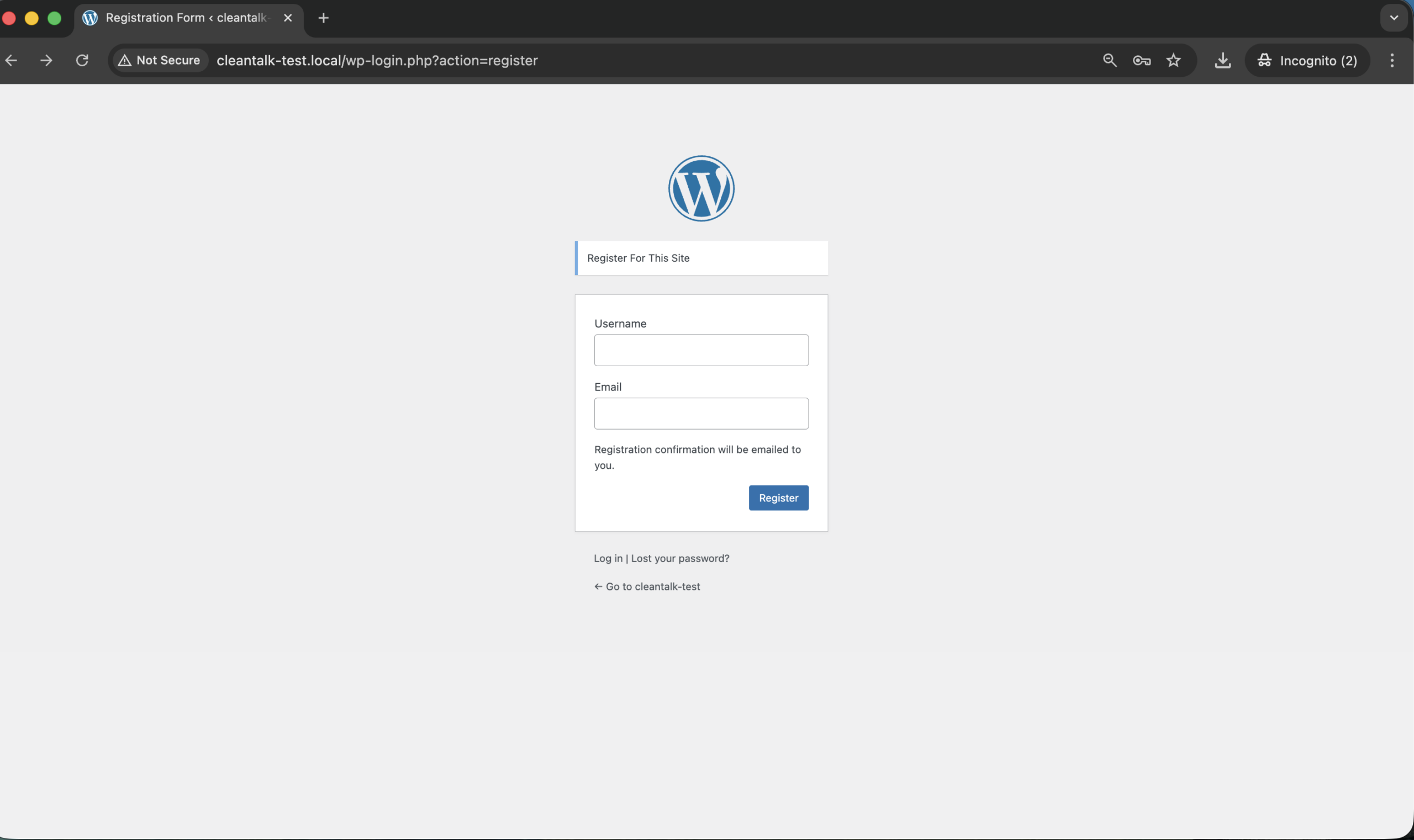
Standard WordPress Registration Forms Spam Protection Guide in 2026
If your website uses the default WordPress signup flow, spam registrations can become a real problem surprisingly quickly. Bots scan the web for open signup pages, submit fake user data, and fill WordPress sites with junk accounts that never behave like real users. For standard WordPress websites, this usually happens through the default registration endpoint.…
-
Reducing Disk Load in High-Traffic PHP Applications: Switching from SQLite to Redis for Anti-Crawler Storage
Automated crawlers and scraping bots are a growing problem for modern websites. While search engine bots are useful, many other crawlers generate excessive traffic, scrape content, or overload servers. To help website owners control this type of traffic, we recently released the Anti-Crawler PHP Library by CleanTalk, an open-source tool designed to detect and limit…
